
 PRODUCTS
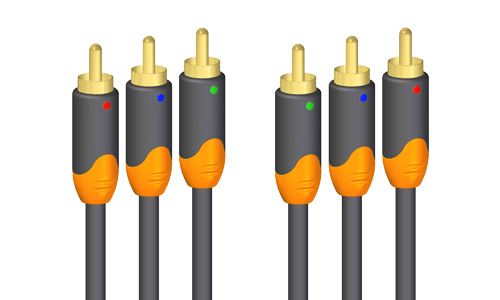
Passion series
Component Audio Video connection cable
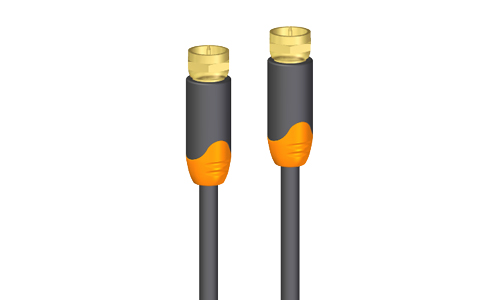
Passion series
Satellite Connection cable
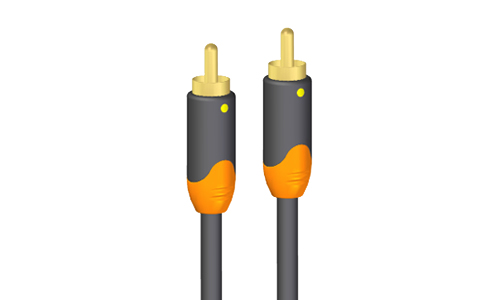
Passion series
RCA Digital Coaxial Cable
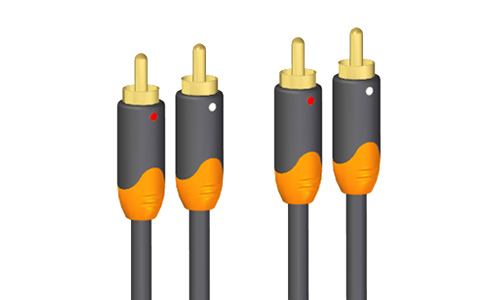
Passion series
2RCA stereo audio connection cable
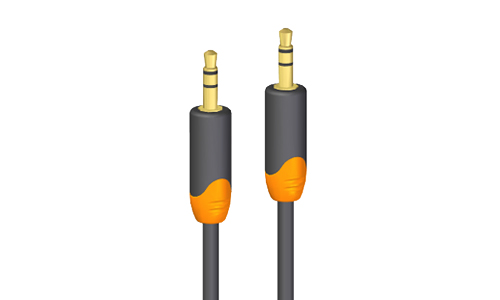
Passion series
Stereo Audio connection cable
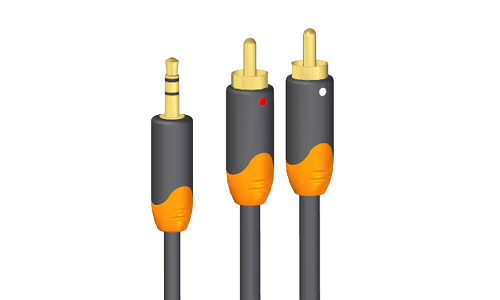
Passion series
Stereo Audio connection cable
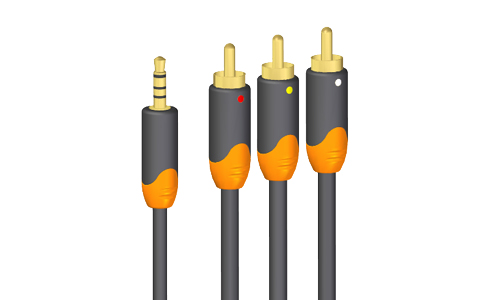
Passion series
Composite Audio Video cable
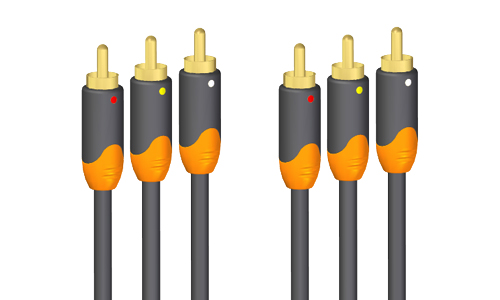
Passion series
Composite Audio Video connection cable
Passion series
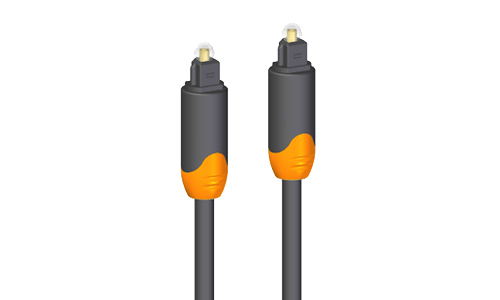
Toslink Digital Audio Optical Fiber cable
Passion series
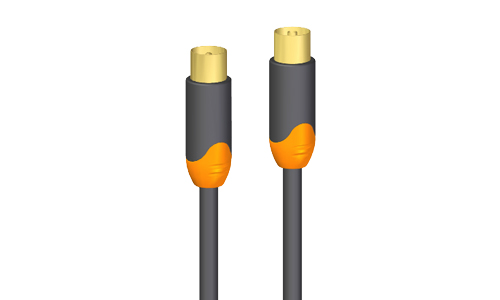
Antenna cable
Passion series
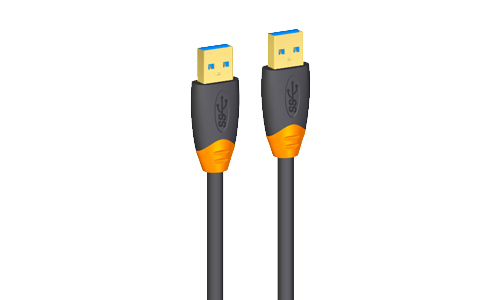
USB 3.0 cable USB A male to A male
Passion series
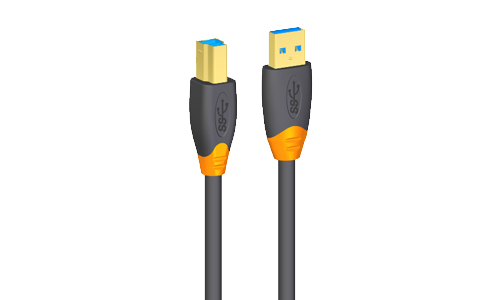
USB 3.0 cable USB A male to B male
Passion series
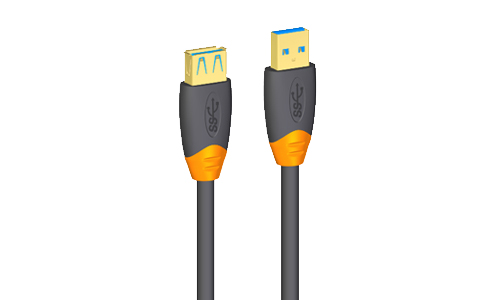
USB 3.0 extension cable USB A male to A Female
Passion series
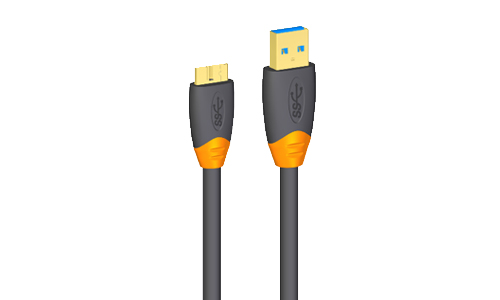
USB 3.0 Micro cable USB A to Micro B
Passion series
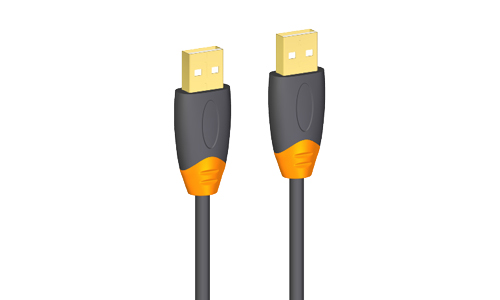
USB cable A male - A male
Passion series
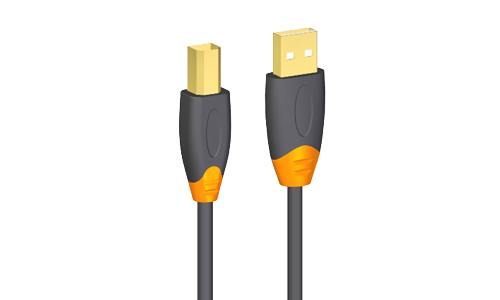
USB cable A Male-B Male
Passion series
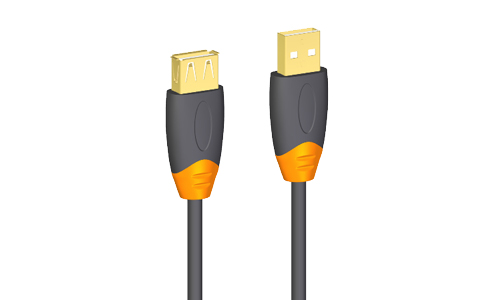
USB extension cable A male - A female
Passion series
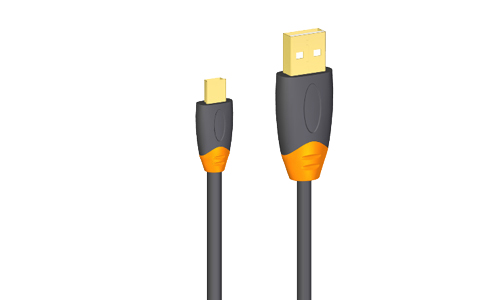
USB cable A male - Mini B male
Passion series
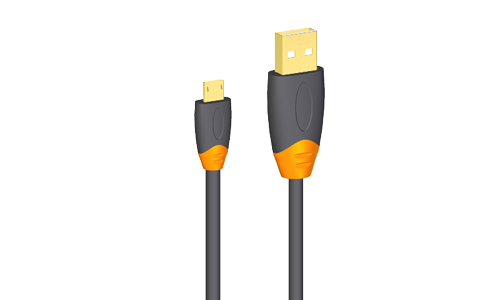
USB cable A male - Micro B male
Passion series
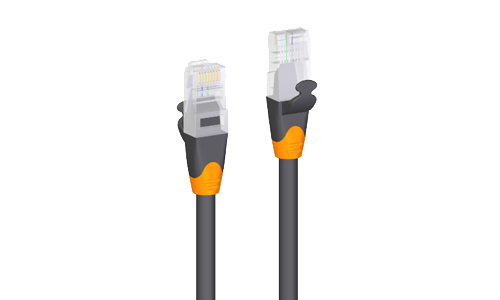
Lan Patch Cable with RJ45 connector
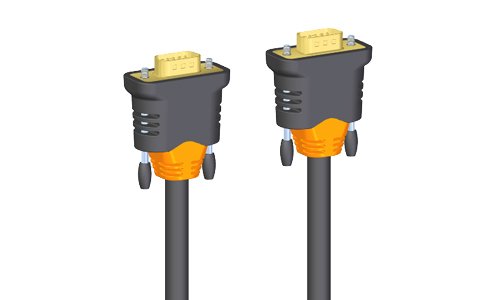
Passion series
High-end S-VGA Monitor cable

WHO WE ARE?
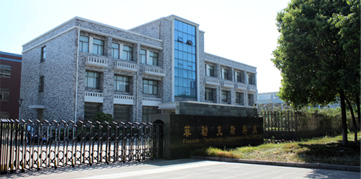
Flexcom Technology is one of the leading manufacturer of cable products in China,with a modern plant of 20,000 m2. Our company has totally 12 years’ experience in this field. We are specialized in research, develop and produce Audio & Video cables, computer cables
Upon the establishment, Flexcom has regarded the service, be responsible, and satisfy with customers as the goal and focus on the quality control system.According to ISO9001:2008 & ISO14001:2004 standards, Flexcom is the member of HDMI Association, and got HDMI certification. Not only the quality, but also the prices, we have absolute advantages…
NEWS
 China Sourcing Fair (October 2019)
China Sourcing Fair: Global Sources Mobile Electronics Show October 18 - 21, 2019 &nb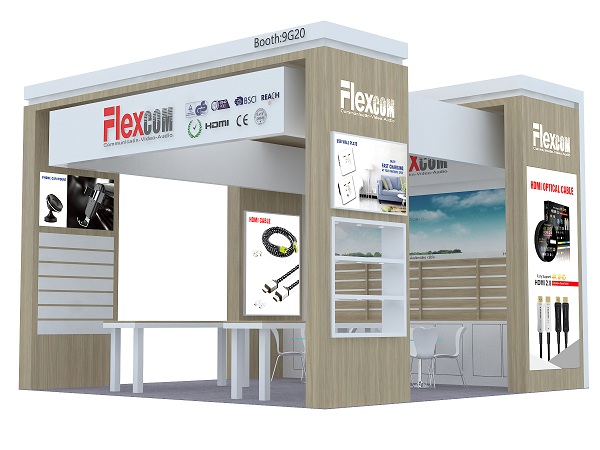 China Sourcing Fair (April 2019)
China Sourcing Fair: Electronics & Components April 11 - 14, 2019 &n China Sourcing Fair (April 2018)
China Sourcing Fair: Electronics & Components April 11 - 14, 2018 &n 2018 International CES
Jan 09 - 12, 2018 Flexcom Technology (Changzhou) Co., Ltd. Booth No.: South 1-2
CONTACT US
Flexcom Technology (Changzhou)
Co., Ltd.
No 135 Hanjiang west road, Changzhou, Jiangsu, China
Tel : (86 519) 6888 0001
Fax: (86 519) 6888 0088
E-mail: hanbo@flexcom.cn


Copyright © 2013 Flexcom Technology (Changzhou) Co.,Ltd. All Rights Reserved. Site By:HONET